
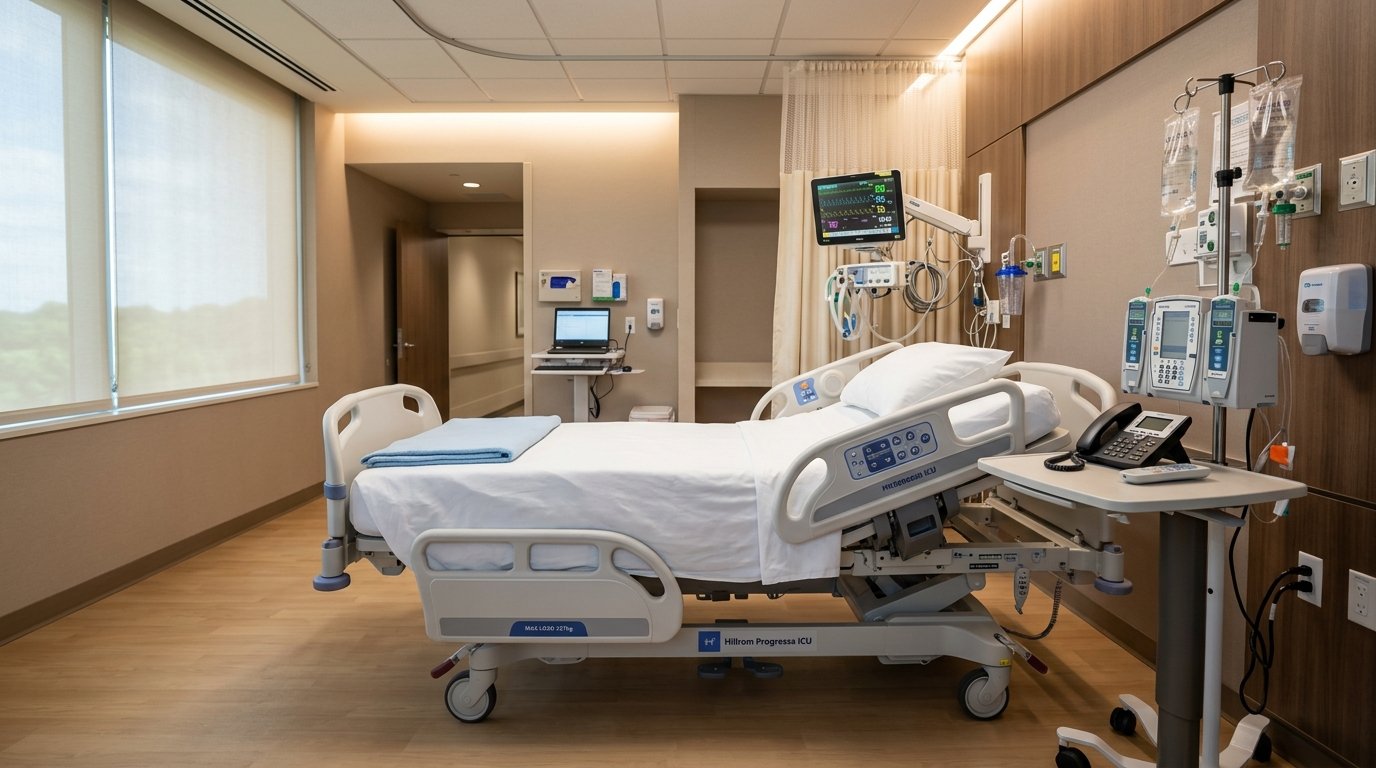
Hospital furniture undergoes rigorous daily wear, repeated chemical sterilization, and constant mobility. Maintaining these assets ensures prolonged operational life and prevents cross-contamination across healthcare wards.
1. Material Selection: Anti-Corrosive Finishes
Hospital beds, overbed tables, crash carts, and bedside lockers must be constructed from pre-treated mild steel with seven-tank anti-rust phosphating and pure epoxy powder coating. High-touch areas should incorporate medical-grade stainless steel or seamless ABS plastic.
2. Cleaning & Disinfection Protocols
Routine wipe-downs with hospital-grade quaternary ammonium or chlorine-based disinfectants prevent nosocomial infections. Ensure furniture designs eliminate dirt-trapping crevices, unsealed seams, or porous wooden surfaces.
3. Preventive Mechanical Inspections
Establish a monthly preventive maintenance schedule to lubricate crank mechanisms, inspect hydraulic seals, test battery backups, and tighten wheel caster axles. Immediate maintenance prevents unexpected breakdowns during critical patient care.